Description
Research Overview
CJC-1295 (No DAC) and Ipamorelin are two well-characterized investigational peptides commonly studied together in laboratory models involving endocrine physiology and peptide-mediated signaling. While CJC-1295 (No DAC) functions as a synthetic analogue of growth hormone-releasing hormone (GHRH), Ipamorelin is investigated for its interaction with the growth hormone secretagogue receptor (GHSR). Together, they provide researchers with an opportunity to examine complementary biological pathways involved in endogenous growth hormone regulation.
Unlike DAC-modified formulations of CJC-1295, the No DAC version does not include a Drug Affinity Complex, making it suitable for research requiring shorter-duration peptide activity. When paired with Ipamorelin, laboratories can investigate multiple receptor systems involved in endocrine communication while examining their individual and combined biological characteristics.
This combination continues to be widely utilized within peptide biology, molecular endocrinology, receptor signaling, and experimental physiology research.
Why Researchers Study CJC-1295 (No DAC) + Ipamorelin
Researchers investigate this peptide combination because it allows simultaneous evaluation of two complementary endocrine signaling pathways involved in endogenous growth hormone regulation.
CJC-1295 (No DAC) provides a model for investigating GHRH receptor biology, while Ipamorelin serves as a selective investigational growth hormone secretagogue receptor agonist. Together they provide valuable tools for examining receptor interactions, hormonal communication, and peptide-mediated signaling within controlled laboratory environments.
Their complementary mechanisms continue to make this combination one of the most frequently investigated peptide pairings in endocrine and molecular physiology research.
Mechanism of Interest
Current laboratory investigations examine CJC-1295 (No DAC) and Ipamorelin for involvement in biological pathways including:
- Growth hormone-releasing hormone (GHRH) signaling
- Growth hormone secretagogue receptor (GHSR) signaling
- Pituitary physiology
- Endocrine communication
- Hormonal regulation
- Peptide-mediated signaling
- Molecular endocrinology
- Cellular signaling
- Experimental peptide biology
These mechanisms remain active areas of scientific investigation within laboratory and preclinical research settings.
Research Applications
CJC-1295 (No DAC) + Ipamorelin is commonly utilized in laboratory investigations involving:
- Endocrine research
- Peptide biology
- Growth hormone signaling
- Pituitary physiology
- GHRH receptor biology
- GHSR biology
- Molecular endocrinology
- Cellular signaling
- Experimental physiology
- Hormonal regulation studies
These applications are intended exclusively for laboratory and scientific investigation.
Product Specifications
Product
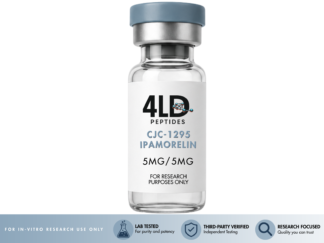
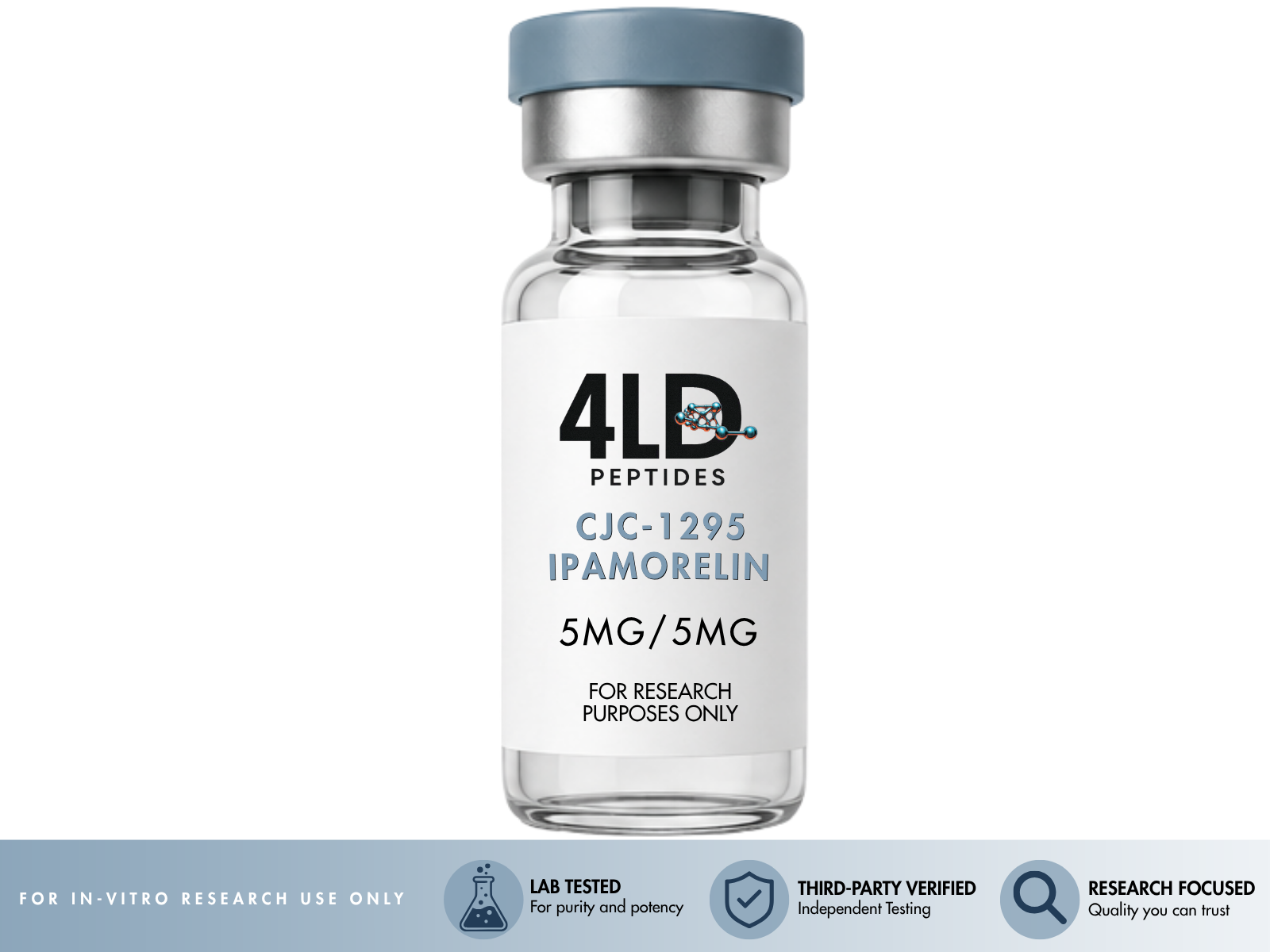
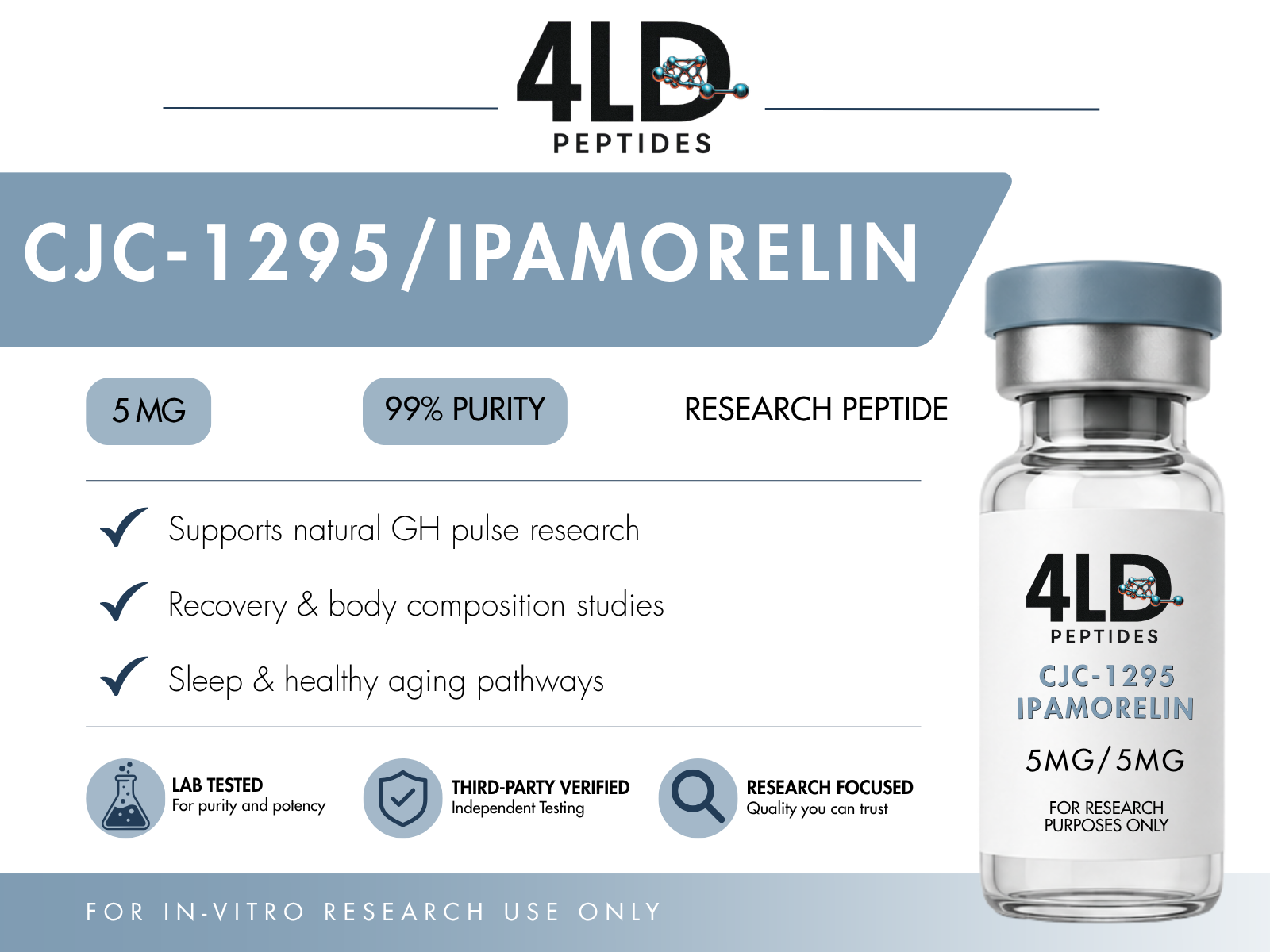
CJC-1295 (No DAC) + Ipamorelin
Form
Lyophilized Peptide
Strength
5mg / 5mg per vial
Available Options
Single Vial or Research Kit
Manufactured In
United States
Quality Testing
Third-Party Tested
Quality Testing
Independently Third-Party Tested
Storage
Refrigerate upon receipt. For extended laboratory storage, freezing is recommended.
Storage & Handling
Store CJC-1295 (No DAC) + Ipamorelin under refrigerated conditions immediately upon receipt. For long-term laboratory storage, freezing is recommended according to established laboratory protocols. Researchers should minimize repeated freeze-thaw cycles and follow appropriate laboratory handling procedures to help preserve peptide stability throughout experimental use.
Frequently Asked Questions
What is CJC-1295 (No DAC) + Ipamorelin?
CJC-1295 (No DAC) and Ipamorelin are two investigational peptides commonly studied together in laboratory research involving endocrine signaling, peptide biology, and pituitary physiology.
Why are these peptides commonly studied together?
Researchers investigate this combination because each peptide interacts with a different biological signaling pathway involved in endogenous growth hormone regulation, allowing complementary evaluation of endocrine communication.
What does “No DAC” mean?
“No DAC” indicates that the CJC-1295 formulation does not contain the Drug Affinity Complex used in certain modified versions of CJC-1295. Researchers often distinguish between these formulations based on their experimental objectives and pharmacokinetic characteristics.
Is Ipamorelin a GHRH analogue?
No. Ipamorelin is commonly investigated as a selective growth hormone secretagogue receptor (GHSR) agonist, whereas CJC-1295 (No DAC) is a synthetic analogue of growth hormone-releasing hormone (GHRH).
Is this product intended for human use?
No. Products supplied by 4LD Research are intended exclusively for laboratory and scientific research. They are not intended for human consumption, veterinary use, therapeutic applications, or diagnostic procedures.
Related Products
Researchers interested in CJC-1295 (No DAC) + Ipamorelin may also explore:
Research Use Disclaimer
For Research Use Only.
Products sold by 4LD Research are intended exclusively for laboratory and scientific research by qualified professionals. They are not intended for human consumption, veterinary use, therapeutic procedures, or diagnostic applications. Researchers are responsible for complying with all applicable laws, regulations, and institutional guidelines governing the handling and use of research materials.